
General Dentistry
TMJ/TMD Evaluation in Livermore
45-60
minutes per visit
100%
personalized treatment plan
4 step
evaluation
Step by Step
Signs You May Need a TMJ/TMD Evaluation
The truth is, TMJ/TMD issues don’t always announce themselves in obvious ways. Some folks come in thinking they have an ear infection or chronic headaches, but the jaw joint is the real source. Here are the most common signs we look for.
Jaw Pain & Tenderness
Pain or tenderness around the jaw, especially in the morning.
Clicking or Popping Sounds
Clicking, popping, or grinding sounds when you open or close your mouth
Difficulty Chewing
Difficulty chewing or a sudden change in how your bite feels
Headaches & Muscle Tension
Frequent headaches or pain that spreads to your neck and shoulders
Jaw Locking
Locking of the jaw in an open or closed position
Not sure if what you’re feeling counts? That’s actually pretty common. Most people don’t connect jaw tension to their headaches or ear pain. You don’t need to have a diagnosis before you call. You just need to know something doesn’t feel right. According to the National Institute of Dental and Craniofacial Research, over 10 million Americans deal with TMJ disorders. So you’re far from alone in this.
Step by Step
What the Evaluation Involves
People always ask us what actually happens during a TMJ/TMD evaluation. Fair question. It’s not like getting a filling where you already know the drill (pun intended). So here’s exactly what to expect when you sit down in our Livermore office.
We Listen First
You tell us what's going on. Where it hurts, when it started, what makes it worse. Chewing? Yawning? Stress at work? Every detail matters here.
We Review Your Health History
Past injuries, medications, grinding habits, previous dental work. All of it connects to how your jaw functions right now.
We Do a Hands-On Exam
Dr. Chuang will feel around your jaw joints and muscles while you open and close. We're checking for clicking, popping, tenderness, and any limits in your range of motion.
We Take Digital X-Rays
These give us a clear look at the bone structure around your joints. Sometimes what we feel on the outside doesn't tell the whole story.
We Check Your Bite Alignment
How your upper and lower teeth come together plays a huge role in TMJ problems, and we see this connection in about eight out of ten cases that walk through our door.
We Talk Through Findings Together
No confusing jargon. We show you what we found and explain what it means for you specifically.
30-45 minute evaluation
Diagnosis without the pressure
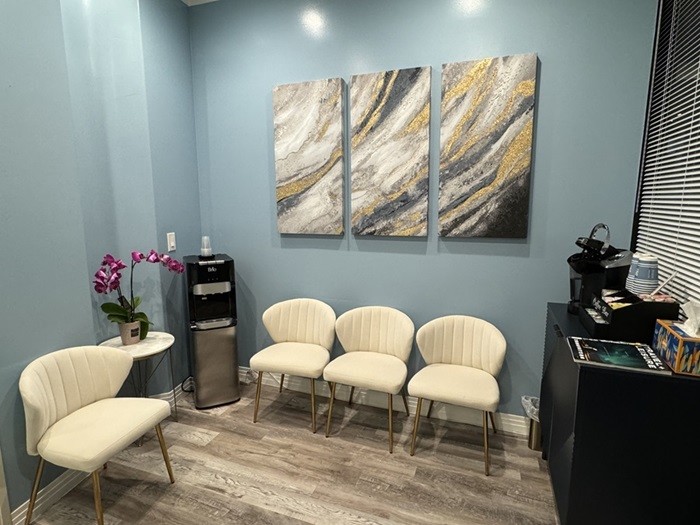
Our office near downtown Livermore was designed to feel more like a spa than a clinic. You won't be sitting under harsh lights with someone poking at you in silence.
Understanding the Difference
Evaluation vs. Therapy
People mix these up all the time. A TMJ/TMD evaluation and TMJ/TMD therapy are two different things, and they serve two different purposes. Understanding what each one does helps you know exactly where you stand before any treatment starts.
Evaluation
The evaluation tells us the “what” and “why.”
- Review your symptoms
- Assess bite alignment
- Evaluate jaw & muscle function
- Reviewing digital x-rays, if needed
- Get clear answers, no gusswork
Therapy
During therapy, we move into active treatment based on what the evaluation uncovered.
- A custom oral appliance to reposition the jaw at night
- Targeted exercises to relax overworked muscles
- Bite adjustments or restorative work to correct alignment issues
- Laser dentistry to reduce inflammation in the joint area
Why Start with an Evaluation?
So can you skip the evaluation and jump straight to therapy? Not here. We don’t treat what we haven’t diagnosed. That’s how people end up with appliances they don’t need or exercises that make things worse.
Rule Out Other Causes
Jaw pain isn't always TMJ/TMD.
Avoid Unnecessary Treatment
Get the right solution, not guesswork.
Understand Your Options
Receive a clear diagnosis and personalized recommendations.
Everyone Benefits
How to Prepare for Your First Appointment
You don’t need to do much. But a little prep goes a long way toward getting answers faster.
Track Your Symptoms
Take note of when pain, tension, or jaw clicking occurs. A few days of observation can help speed up the evaluation process. That kind of detail helps Dr. Chuang pinpoint what’s going on much quicker than starting from scratch.
Medication List
Bring a list of any medications you take, including over-the-counter pain relievers you’ve been using for jaw discomfort.
Previous Dental Records
If you’ve had dental imaging or X-rays done elsewhere, bring those records or have them sent to our office ahead of time.
Questions for Your Visit
Write down any questions you want to ask. People forget once they’re in the chair, and we see it all the time.
Night Guards & Retainers
If you wear a night guard or retainer, bring that to your appointment too.
One thing that surprises people is how relaxed the whole process feels. Our office has a calm, spa-like environment because jaw problems already cause enough stress. You won’t feel rushed. You won’t feel judged for waiting this long.
Plan for about 45 minutes to an hour for your first visit. That gives us time to listen to your full history, do a hands-on exam, and take any digital X-rays we need. Most of the appointment is just conversation
Post Screening
What Happens After the Evaluation
Once we’ve finished your TMJ/TMD evaluation, we sit down with you right there in the office. No waiting for a phone call days later. We walk through exactly what we found, what’s causing your pain, and what your options look like going forward. Dr. Chuang takes time to explain things in plain language.
We also make sure your treatment fits with anything else going on in your mouth. If you need a dental crown replaced or scaling and root planing done, we coordinate so nothing works against your TMJ recovery.
And here’s something we tell every patient. Your evaluation results don’t expire tomorrow. If you need a week to think things over, that’s completely fine. We keep detailed records so you can pick up right where you left off. No pressure, no rush. Just a clear picture of what’s going on and a path to feeling better whenever you’re ready to start.
Your Path Forward
Depending on what we find, your next steps could look very different from the next person’s. That’s the whole point of doing a thorough evaluation first. Here’s what typically happens:
- We review your findings together and answer every question you have.
- If TMJ/TMD therapy is right for you, we outline a specific plan. This might include a custom oral appliance, bite adjustments, or muscle relaxation techniques.
- We schedule your first treatment visit at a time that works for your routine here in Livermore.
- If your case involves something beyond what we treat in our office, we connect you with a trusted specialist. But most of the time, we can handle it right here.
Some patients have told us they put off getting evaluated for over a year. Then they’re surprised the first therapy session brings noticeable relief. The evaluation is really the hardest part, and it’s not hard at all.
Frequently Asked Questions
How do I know if my headaches are actually a jaw problem?
Your headaches may be coming from your jaw if they’re paired with jaw soreness, clicking sounds, or tight neck muscles. Many people in Livermore come in thinking they have tension headaches or even ear infections. But when two or three symptoms show up together — like morning jaw pain plus frequent headaches — the temporomandibular joint is often the real source. You don’t need a diagnosis before calling. You just need to notice something doesn’t feel right.
What should I bring or do to prepare for my TMJ evaluation appointment?
Bring a list of any medications you take and be ready to describe when your symptoms started. Think about what makes your jaw pain worse — chewing, yawning, stress, or sleeping position. If you’ve had previous dental work or a jaw injury, mention that too. Every detail helps Dr. Chuang build an accurate picture during your visit. The evaluation takes about 30 to 45 minutes, so you won’t need to clear your whole afternoon.
Can jaw clenching at night really cause this much damage without me noticing?
Yes — nighttime clenching is one of the most common causes of TMJ problems, and most people have no idea they’re doing it. We regularly see patients from neighborhoods like Springtown who come in for a routine exam and mention mild jaw tension. Dr. Chuang often spots wear patterns on their teeth before they’ve even connected the dots. Clenching puts serious pressure on the jaw joint over time, and catching it early makes it much easier to manage.
Is a TMJ evaluation the same thing as starting treatment?
No — the evaluation and treatment are two separate steps. The evaluation is purely about finding answers. We listen to your symptoms, do a hands-on exam, check your bite alignment, and review digital x-rays if needed. You walk out knowing what’s causing your pain and what your options look like. No treatment starts until you understand what’s going on and decide how you want to move forward. The next step is always your call.
What happens after the evaluation if TMD is confirmed?
After your evaluation at our Livermore office, Dr. Chuang will walk you through exactly what was found and explain what it means for you. If TMD is confirmed, your options might include a custom oral appliance, targeted jaw exercises, bite adjustments, or laser therapy to reduce joint inflammation. Nothing gets started without your understanding and agreement. Some patients also find out their symptoms point to something else entirely — like a cracked tooth — which changes the path forward completely.
Does stress from daily life in Livermore actually make TMJ symptoms worse?
It really can. Stress is a major driver of jaw clenching and muscle tension, both of which put extra strain on the temporomandibular joint. Livermore residents with high-pressure work schedules or long commutes often report that their jaw pain flares up during stressful periods. If you notice your symptoms getting worse during busy weeks, that’s a pattern worth mentioning during your evaluation. It helps us understand the full picture and recommend the right approach for your situation.
Livermore Dental Spa
Ready to find the cause of your jaw pain?
Get the answers you need with a comprehensive TMJ/TMD evaluation. We’ll identify what’s causing your symptoms and discuss the best path forward.